

Natural light can completely transform how a home feels. It makes spaces appear larger, improves mood, and can even reduce energy bills.
Yet many homeowners struggle with dark, cramped-feeling rooms without realizing that strategic window upgrades combined with clever interior modifications can dramatically improve their living spaces.
Professional contractors like Hertfordshire Glass & Glazing Specialists Andrews Glass understand that maximizing natural light isn’t just about installing bigger windows.
It requires a thoughtful approach that considers window placement, glazing options, and how interior elements can either enhance or block precious daylight.
When combined with smart interior modifications, even modest window improvements can create bright, welcoming spaces that feel twice their actual size.
Understanding Your Home’s Light Potential
Before making any changes, it’s worth assessing your home’s current light situation.
Walk through each room at different times of day, noting where shadows fall and which areas feel particularly dark. Consider factors like:
- Which direction your windows face (south-facing typically receive most light)
- Trees or buildings that might block light
- Window size and placement
- Interior obstacles that prevent light penetration
This assessment helps identify whether you need new windows, interior modifications, or both to achieve your desired brightness levels.
Window Upgrades That Maximize Light
Modern glazing technology offers numerous options for increasing natural light without compromising energy efficiency or security.
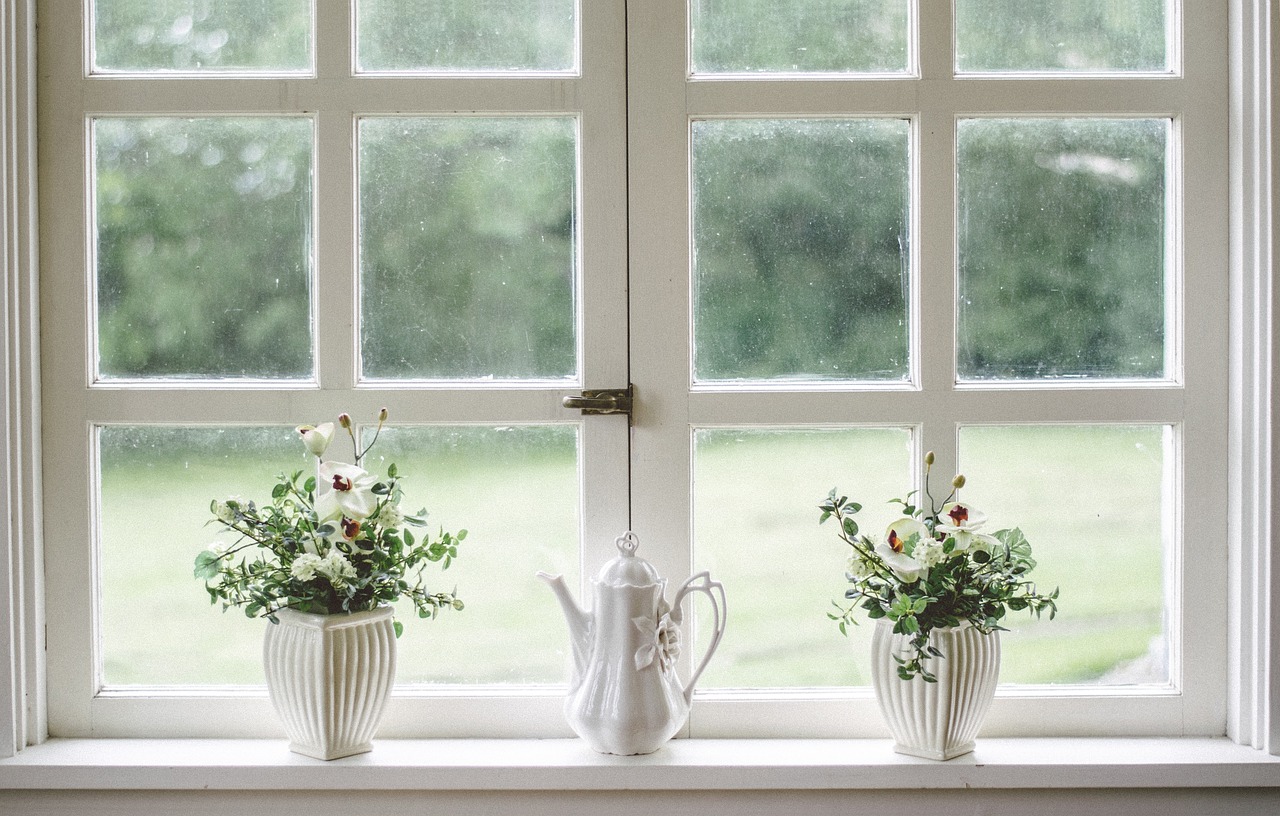
Here are key upgrades to consider:
Larger Glass Areas
Replacing old windows with units featuring slimmer frames increases the glass area by up to 20%. Modern materials maintain structural integrity with minimal framing, letting more light flood in.
Enhanced Glazing
Low-iron glass appears clearer than standard glass, which often has a slight green tint. This seemingly small change can increase light transmission by 8-10%, making a noticeable difference in darker rooms.
Strategic Window Placement
Adding windows where none existed—such as in stairwells or dark hallways—transforms these spaces from gloomy passages into bright, welcoming areas. Roof windows or skylights work particularly well for top-floor rooms.
French or Bi-fold Doors
Replacing solid external doors with glazed alternatives dramatically increases light in adjacent rooms while improving the connection between indoor and outdoor spaces.
Interior Modifications That Enhance Natural Light
While new windows form the foundation of a brighter home, interior modifications multiply their impact.
This is where skilled professionals like a Carpenter In Surrey such as LC Carpentry can make significant contributions. Their expertise in creating custom solutions helps maximize light flow throughout your home.
Remove Non-Structural Walls
Open-plan living isn’t just trendy—it’s practical for light distribution.
Removing walls between kitchens and dining rooms, or combining small reception rooms, allows light to travel deeper into your home.
Install Interior Glazing
Where walls must remain, consider glazed panels or interior windows. These maintain room separation while allowing light to pass through.
Frosted glass provides privacy where needed.
Create Light Wells
In terraced houses or properties with single-aspect rooms, light wells or glazed sections in floors can bring light from upper levels down to darker areas below.
Strategic Mirror Placement
Large mirrors opposite windows effectively double the light in a room by reflecting it back into the space.
Mirrored furniture or decorative mirrors throughout a room create multiple light sources from a single window.
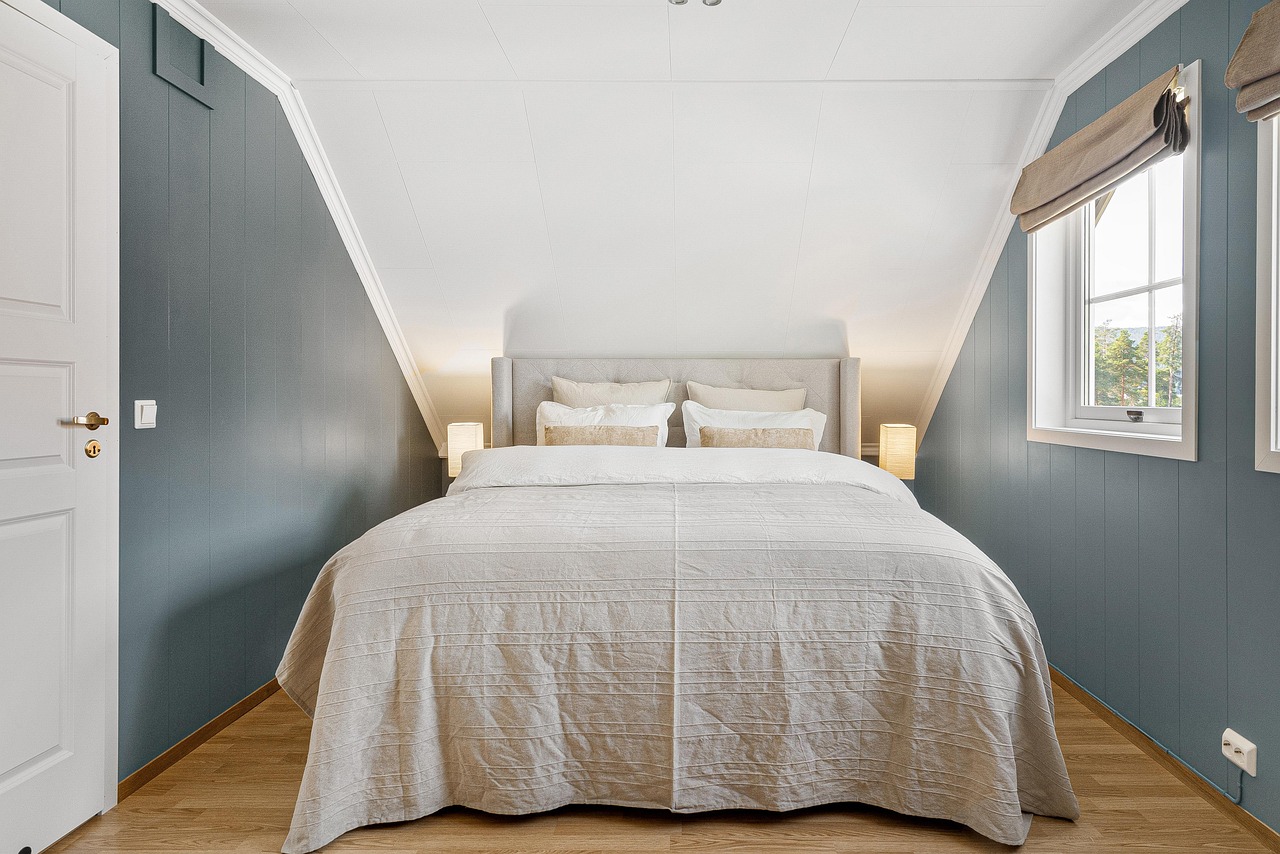
The Power of Light-Enhancing Finishes
Surface finishes play a crucial role in how light behaves within a space. Small changes here can yield surprising results:
- Paint Choices: Light, neutral colors reflect up to 80% of light, while dark colors might reflect only 10%. But this doesn’t mean everything must be white—soft grays, warm creams, and pale pastels work beautifully while adding character.
- Flooring Matters: Light-colored flooring, whether wood, laminate, or tile, bounces light upward, brightening the entire room. If replacing flooring isn’t feasible, large light-colored rugs can help.
- Window Treatments: Heavy curtains block precious light even when open. Replace them with light-filtering blinds, sheer curtains, or shutters that can be fully opened during the day.
- Glossy Surfaces: Kitchen cabinets, furniture, and even ceiling paint in semi-gloss or gloss finishes reflect more light than matte alternatives.
Combining Upgrades for Maximum Impact
The most dramatic transformations happen when window upgrades and interior modifications work together. Consider these winning combinations:
Kitchen Extensions
Combining a rear extension with bi-fold doors and roof lights creates incredibly bright cooking and dining spaces. Add light-colored cabinets and reflective splashbacks to maximize the effect.
Loft Conversions
Installing multiple roof windows combined with light-painted walls and strategic lighting turns dark attics into bright, usable spaces perfect for bedrooms or home offices.
Hallway Transformations
Adding a glazed front door, painting in light colors, and installing mirrors can convert a dark entrance into a welcoming space that sets the tone for your entire home.
Practical Considerations and Planning
Before starting any light-enhancement project, consider these practical aspects:
Building Regulations
Most window replacements and all structural modifications require compliance with building regulations. Professional installers handle this automatically, but DIY enthusiasts must apply separately.
Energy Efficiency
Modern double or triple glazing actually improves insulation while increasing light. Look for low-E coatings that maintain thermal efficiency without reducing light transmission.
Privacy Concerns
More windows can mean less privacy. Consider frosted glass for bathrooms, switchable smart glass for ground-floor windows, or strategic landscaping to maintain seclusion.
Budget Planning
Prioritize changes based on impact. Sometimes painting and adding mirrors provides enough improvement to delay costlier window replacements.
Maintenance for Lasting Brightness
Once you’ve enhanced your home’s natural light, simple maintenance keeps it bright:
- Clean windows inside and out at least twice yearly (dirty windows can reduce light by 40%)
- Trim vegetation that might block windows
- Dust light fixtures and mirrors regularly
- Touch up paint when it becomes dingy
- Replace yellowing window treatments
The Transformation Effect
Homes transformed through strategic window upgrades and interior modifications often feel completely different. Residents report improved mood, spaces feeling larger, and reduced reliance on artificial lighting.
The investment in natural light enhancement typically pays dividends through increased property value and reduced energy costs.
Whether you start with new windows, interior modifications, or simple finishing touches, each improvement builds toward a brighter, more welcoming home.
The key is understanding how different elements work together and choosing improvements that complement your lifestyle and budget.


More Stories
New Generation Festival: From Opera and Jazz to DJ Sets
How To Use Natural Light to Brighten Up Your Space?
How Can the Right Lighting Help to Transform Your Home?