
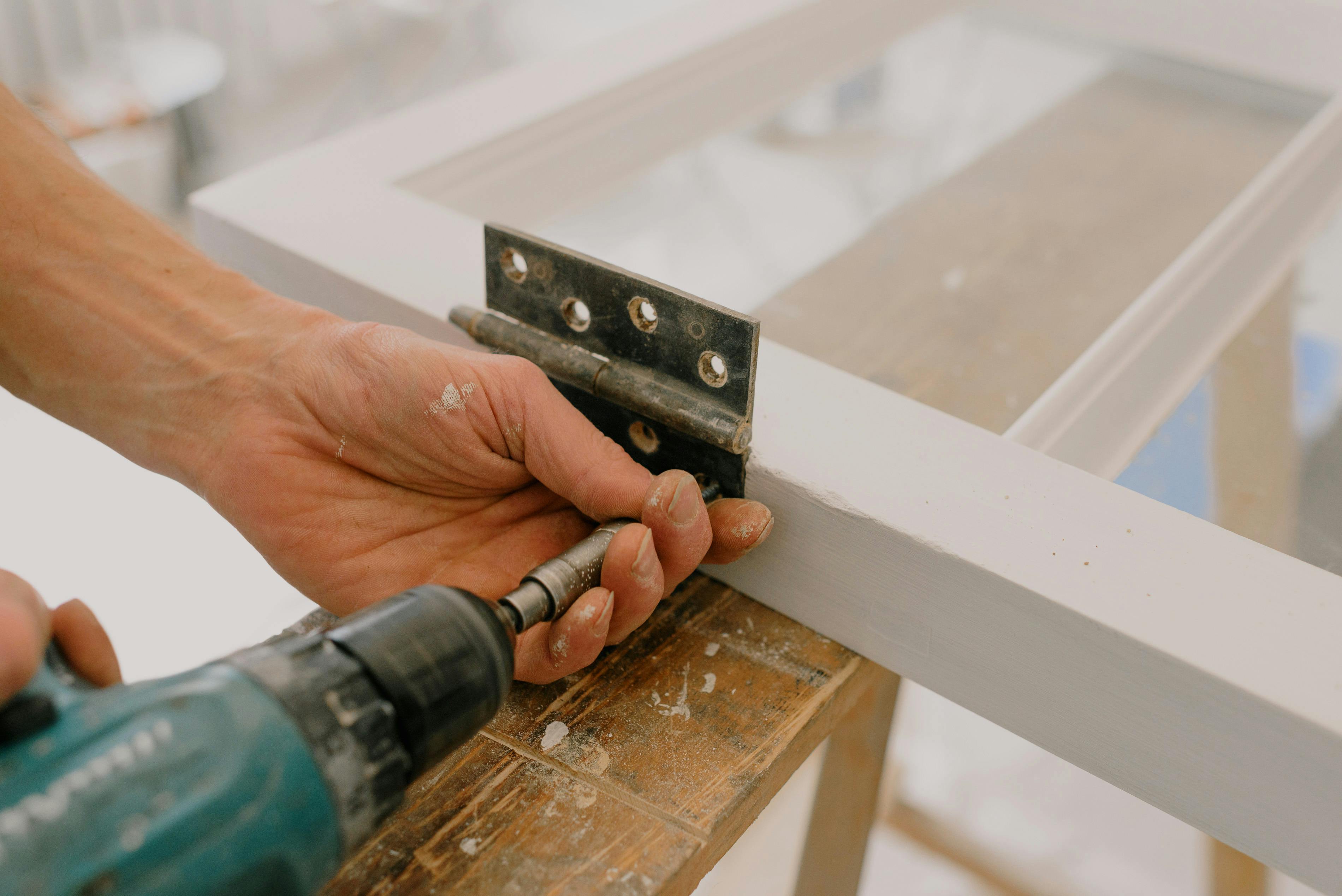
Why Your Door Is Sticking in the First Place
If you have ever wondered how to fix a sticking door, you are not alone. It is one of the most common repair jobs in British homes, especially in older properties and homes with timber doors.
A door usually starts sticking for one of a few reasons. Loose or worn hinges let the door drop slightly, so it drags along the frame or the floor. Damp weather makes timber swell, which is why sticking often gets worse in winter or after a spell of rain. Sometimes a house simply settles over the years, and the frame goes a little out of square. Layers of old paint can also build up along the edge of the door, narrowing the gap it needs to close properly.
Knowing the cause matters. Sanding down a door that is actually sticking because of a loose hinge will not solve the problem, and it can leave you with an ugly gap once the weather dries out again. If you are still choosing between door styles for a renovation, our guide to flush doors versus panel doors is worth a look before you buy a replacement.
Finding Where the Door Sticks
Before you pick up any tools, take a few minutes to work out exactly where the door is catching.
Close the door slowly and watch it carefully. Look for scuff marks, worn paint, or shiny patches of wood, since these show you exactly where the rubbing happens. A door might stick along the top edge, near the latch, or right along the bottom where it meets the floor or carpet.
A useful trick is to run a piece of chalk along the edge of the door frame, then open and close the door. The chalk will transfer onto the exact spot where the door is tight, giving you a clear mark to work from.
Start With the Hinges
Most sticking doors trace back to the hinges, so this is the best place to start.
Grab a screwdriver and check every screw on both hinge plates. Loose screws let the door sag, which throws the whole thing out of alignment. Tighten anything that has worked its way loose.
If a screw hole has become stripped and the screw simply spins, do not just force a longer screw straight in. Fill the hole with a few wooden matchsticks or cocktail sticks dipped in wood glue, let it dry, then reinsert the screw. This gives it something solid to bite into.
While you are there, check that the hinges themselves are not damaged or bent. A worn hinge is often cheaper and easier to replace than to keep adjusting.
Sanding and Planing a Sticking Wooden Door
If the hinges are sound and the door is simply too tight against the frame, sanding or planing is usually the next step.
Mark the sticking area with chalk or pencil first. For small tight spots, sandpaper wrapped around a sanding block will do the job. Work gradually, testing the door between passes so you do not remove more wood than you need to.
For a door that sticks along a longer section, a hand plane gives a more even result. Take thin, even strips off the edge, always planing with the grain, and check the fit regularly. It is far easier to take off a little more than to put wood back once you have overdone it.
Once you are happy with the fit, sand the edge smooth and repaint or reseal it. This is an important step, since bare wood absorbs moisture much faster and the door could swell and stick again within a season.
Dealing With Humidity and Seasonal Swelling
British weather is famously changeable, and timber doors respond to it. In damp conditions, wood fibres absorb moisture and expand, which is why many doors that are perfectly fine in summer start sticking once the weather turns.
If humidity is the culprit, a dehumidifier in the affected room can help during the wetter months. Good ventilation matters too, particularly in kitchens and bathrooms where steam is a daily occurrence.
Bear in mind that a door that only sticks occasionally, during particularly wet weather, may not need sanding at all. Removing wood to fix a problem that only shows up a few weeks a year can leave you with a draughty gap for the rest of the year.
Fixing a Sticking Latch or Strike Plate
Sometimes the door itself closes fine, but it catches right at the latch. This usually means the strike plate on the frame no longer lines up with the latch bolt.
Loosen the screws holding the strike plate, and shift it slightly to line up with the latch. If the latch is only catching by a millimetre or two, you can often widen the opening in the strike plate slightly with a metal file rather than moving the whole plate.
What About uPVC and Composite Doors?
If you have a modern uPVC or composite door that has started sticking, resist the urge to reach for sandpaper. These doors have a weatherproof surface, and sanding will damage it permanently.
Sticking in uPVC and composite doors is almost always down to alignment rather than swelling. Most have adjustable hinges, and a small turn with an Allen key is usually enough to shift the door back into place. If you are not confident making these adjustments, it is worth calling in a fitter, since these hinges are easy to over-adjust.
When to Call a Professional
Most sticking doors are a straightforward weekend job. However, if the frame itself has twisted, if the door has swollen badly and repeatedly, or if you are dealing with a fire door, it is worth bringing in a qualified joiner. Fire doors in particular have strict gap and seal requirements, and getting this wrong can affect their safety rating.
Keeping Your Doors Moving Freely
Once your door is fixed, a little regular maintenance goes a long way. Oil the hinges once a year, keep an eye on paint and sealant around the edges, and address any new sticking early before it becomes a bigger job. If it is your garage door giving you trouble rather than an internal door, our guide to garage door upkeep covers that separately.
A sticking door is annoying, but as this guide shows, the fix is usually simple once you know where to look. Start with the hinges, work out whether humidity or alignment is to blame, and you will have a smoothly closing door again in no time.


More Stories
Garage Door Won’t Open? Common Causes and How to Fix Them
Where to Source Authentic Timber for a Colorado Ski Home
Flush Doors or Panel Doors: How Do You Choose the Right One?