
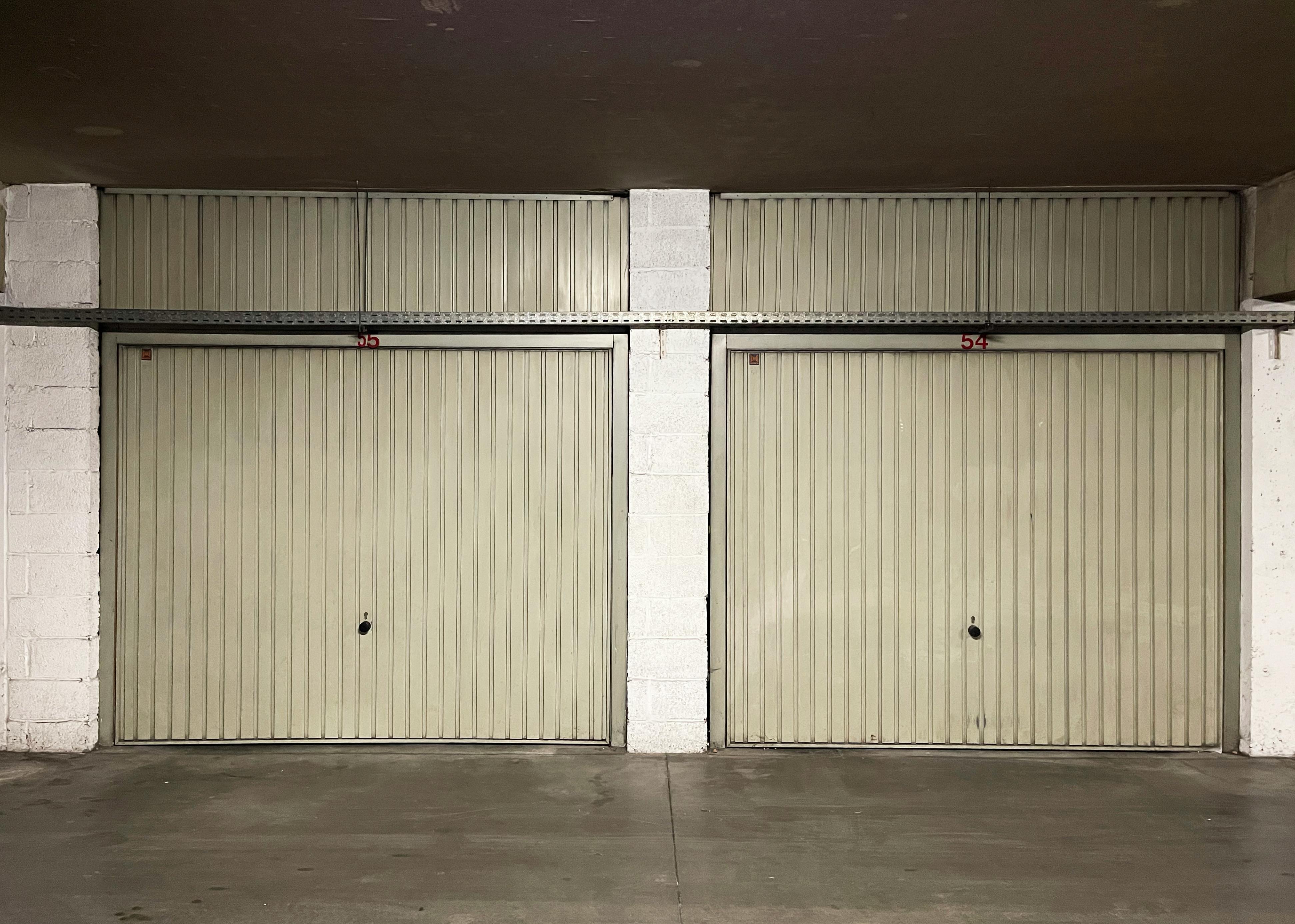
Why Won’t My Garage Door Open?
A garage door that won’t open is one of those problems that always seems to happen at the worst possible moment. The good news is that most causes are simple to diagnose, and quite a few are things you can fix yourself before calling out a professional.
Garage doors rely on several parts working together: springs, cables, tracks, rollers, sensors and, on automatic doors, a motorised opener. When one part fails, the whole system can seize up. Working through the possible causes in order, from simplest to most complex, will usually get you to the answer fastest.
Check the Power Supply First
If you have an electric garage door and nothing happens at all when you press the remote or wall switch, start with the basics. Confirm the opener is plugged in, check whether a fuse has blown, and test the circuit breaker that feeds the garage.
It is also worth swapping the batteries in your remote control before assuming there is a bigger fault. A weak battery is one of the most common and cheapest fixes for a garage door that appears completely dead.
Look for an Obstruction in the Tracks or Sensors
Modern automatic garage doors use safety sensors near the bottom of the tracks. If anything blocks or dirties these sensors, many openers will refuse to close or open the door as a safety measure.
Wipe the sensor lenses clean and check nothing is sitting in their line of sight. While you are down there, look along the tracks themselves for stones, leaves or other debris that could be jamming the rollers.
Check for a Broken or Worn Torsion Spring
Torsion springs do the heavy lifting, holding the weight of the door so the opener does not have to. When a spring weakens or snaps, the door often becomes far too heavy to lift, or will not budge at all.
A loud bang from the garage is a common sign that a spring has gone. This is not a repair to attempt yourself. Torsion springs are under very high tension, and replacing one safely needs the right tools and experience. If you suspect a broken spring, it is time to book in a technician rather than reach for a screwdriver.
Test the Manual Lock and Release Mechanism
Many garage doors have a manual lock or slide bolt for extra security when you are away. If this has been engaged and forgotten about, the opener’s motor will strain against it without moving the door.
Check inside the garage for any manual locking bars before assuming the fault lies elsewhere. On automatic doors, there is usually a red emergency release cord that disconnects the door from the motor, letting you test whether the problem is with the door itself or the opener.
Check the Opener’s Limit Settings
Automatic openers use limit settings to know when to stop moving. If these settings drift out of place, the door might stop short of fully opening, or reverse before it reaches the floor.
Most openers let you adjust these limits using small dials or screws on the motor unit. Your owner’s manual will show exactly where these are. If adjusting them does not help, the logic board inside the opener may need attention from a professional.
Lubricate Moving Parts Regularly
A door that is stiff, noisy or slow to open is often simply crying out for lubrication. Rollers, hinges and tracks should be lubricated every few months with a proper garage door lubricant, not household oil, which can attract dust and grime over time.
Keeping these parts moving freely reduces strain on the springs and opener, and can prevent several of the faults above from developing in the first place. For a deeper look at keeping the whole system in good shape, our garage door repair guide covers maintenance in more detail.
When to Call a Professional
Some garage door problems are safe for a confident DIYer to tackle: dead batteries, dirty sensors, a stuck manual lock, or a track that needs clearing. Others are not. Broken springs, snapped cables, and faulty logic boards involve components under serious tension or require specialist diagnostic knowledge, and are best left to a trained technician.
If you have gone through the checks above and the door still won’t open, it is worth booking a professional inspection rather than continuing to force the mechanism, since this can turn a simple fix into a much costlier repair.
Preventing Future Problems
Once your garage door is working again, a little routine maintenance goes a long way: test the auto-reverse safety feature every few months, keep the tracks clear, and have the springs checked periodically by a professional. While you’re organising the garage, it might also be worth sorting out the clutter with some proper garage storage accessories, so nothing ends up falling against the door again.
A garage door that won’t open is frustrating, but as this guide shows, working through the likely causes methodically will get you back up and running quickly, whether that means a five-minute fix or a call to a specialist.


More Stories
How to Fix a Sticking Door: A Complete UK Guide
Where to Source Authentic Timber for a Colorado Ski Home
How to Prepare Your Lawn for Scarifying: Step-by-Step Guide