
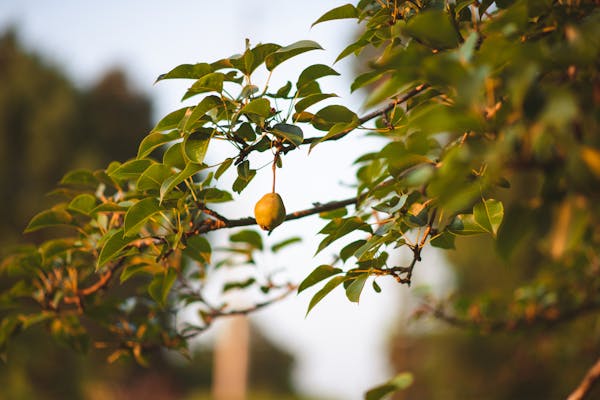
Pear trees have been a cherished part of British horticulture for centuries, gracing our landscapes with their elegance and bearing delicious fruits that tantalize our taste buds. These venerable trees have a rich history steeped in symbolism, representing longevity and prosperity. In this article, we delve into the fascinating world of pear trees, exploring their cultural significance, their diverse varieties, and the art of growing them in your own garden. Join us as we embark on a journey through time and tradition, celebrating these magnificent trees that continue to flourish across the British Isles.
Expert Insights: What to Consider When Buying Pear Trees
ChrisBowers fruit trees experts say that when it comes to finding pear trees for sale, there are a few essential factors to consider. First and foremost, think about the variety that suits your location and taste preferences. Pear trees come in numerous varieties, each with its unique characteristics. Some are ideal for eating fresh, while others are best suited for cooking or making cider. Pay attention to factors like climate, soil type, and available space, as these will influence the variety that will thrive in your garden.
Another crucial aspect is rootstock selection. The rootstock determines the tree’s size and vigor. If you have limited space, you may opt for a dwarfing rootstock to keep your tree compact and manageable. However, if you have ample room, you can choose a more vigorous rootstock to allow your pear tree to grow to its full potential.
Lastly, consider the age of the tree you’re purchasing. Younger trees are generally easier to establish and tend to adapt better to their new environment. However, if you’re looking for quicker results, you might want to invest in a more mature pear tree that will bear fruit sooner. Always buy from reputable nurseries or suppliers to ensure you’re getting healthy, disease-free trees.
Let’s explore the enduring appeal of pear trees and the symbolism they hold in our culture.
Pear Trees: A Symbol of Longevity
Pear trees have a long and storied history in Britain, dating back to Roman times. Their longevity is a testament to their resilience and adaptability, making them a symbol of endurance and sustainability. In many cultures, the pear tree has been associated with longevity, and this symbolism continues to hold true in modern Britain.
Cultural Significance
Throughout history, pear trees have played a significant role in various cultures and mythologies. In ancient China, the pear tree was seen as a symbol of immortality, and the pear fruit represented longevity. This belief spread to Europe, where the pear tree became associated with eternal life and the promise of a prosperous future.
In Christianity, the pear tree was often depicted in religious art as a symbol of salvation and redemption. It was believed that the pear tree represented the Tree of Life in the Garden of Eden, reinforcing its connection to longevity and spiritual growth.
The Pear Tree in British Folklore
In British folklore, the pear tree is also steeped in symbolism. It is said that planting a pear tree on your property brings good luck and prosperity to the household. Moreover, the tree’s longevity and ability to bear fruit for many years make it a powerful symbol of continuity and abundance.
Pear trees were often planted to commemorate significant events in one’s life, such as weddings or the birth of a child. These trees would grow alongside the family, witnessing generations pass by, and bearing witness to the passage of time.
Pear Varieties for Every Taste
One of the most exciting aspects of growing pear trees in your garden is the sheer variety available. From sweet and succulent dessert pears to those perfect for cooking and preserving, there’s a pear variety to suit every palate.
Dessert Pears
- Conference Pear: The Conference pear is perhaps the most famous pear variety in the UK. Known for its long, tapering shape and crisp texture, it’s a delightful fruit to enjoy fresh. Its sweet and juicy flesh makes it a perfect addition to salads or cheese platters.
- Comice Pear: If you’re looking for a pear with an exceptionally sweet and juicy flavor, the Comice pear is a top choice. Its soft, creamy flesh practically melts in your mouth, making it a decadent dessert fruit.
Cooking Pears
- Bartlett (Williams) Pear: These pears are perfect for cooking and canning. They hold their shape well when baked or poached, making them a popular choice for desserts like pear tarts and preserves.
- Doyenne du Comice: Although primarily a dessert pear, the Doyenne du Comice can also be used for cooking when slightly underripe. Its sweet and aromatic flesh adds a unique flavor to pies and tarts.
Perry Pears
Perry, a pear cider, has been enjoyed in Britain for centuries. To make the finest perry, you’ll need specific varieties of pears known as “perry pears.” These pears have a high tannin content and are unsuitable for eating fresh due to their astringency. Instead, they are perfect for fermenting into a refreshing and flavorful drink.
Some notable perry pear varieties include:
- Blakeney Red: This perry pear produces a rich and full-bodied perry with a lovely red hue.
- Thorn: Thorn perry pears are known for their high tannin content, resulting in a bold and robust perry.
Cultivating Pear Trees
Now that you’re acquainted with the rich history and diverse varieties of pear trees, let’s explore how to cultivate these beautiful trees in your own garden.
Planting
- Location: Pear trees thrive in well-drained soil and prefer a sunny spot with good air circulation. For optimal growth, maintain a neutral to slightly acidic soil pH.
- Spacing: Space your pear trees at least 12-15 feet apart to provide ample room for their branches to spread.
- Planting Depth: When planting, ensure the graft union (the swollen area near the base of the tree) is about 2 inches above the soil surface. This helps prevent disease and rootstock suckering.
Pruning and Care
- Pruning: Prune your pear tree in late winter or early spring to shape it and remove any dead or diseased branches. Keep an open center to allow sunlight to penetrate and encourage air circulation.
- Fertilization: Apply a balanced fertilizer in early spring to provide essential nutrients for healthy growth.
- Watering: Pear trees require regular watering, especially during dry spells. To promote strong, healthy roots, water thoroughly.
- Pest and Disease Control: Be vigilant for common pear tree pests such as aphids and codling moths. Implement organic or chemical control methods as needed.
- Harvesting: Pear fruits are typically ready for harvest in late summer or early autumn. Pick them when they are still slightly firm and allow them to ripen indoors.
Conclusion
Pear trees, with their rich symbolism and diverse array of varieties, continue to be a beloved part of British horticulture. Whether you’re seeking a symbol of longevity and prosperity or simply wish to savor the delightful taste of homegrown pears, these trees offer aworld of possibilities.
As you embark on your journey of pear tree cultivation, remember the advice of experts and consider factors such as variety, rootstock, and age when making your purchase. With the right care and attention, your pear tree will thrive, bearing fruit for years to come, and becoming a symbol of enduring beauty and abundance in your garden.
So, why not add a pear tree to your garden and become a part of the rich tradition that celebrates these magnificent trees, a symbol of longevity and prosperity right in your own backyard.



More Stories
How to Secure a Garden Shed: A Complete UK Guide
Gardening Through the Seasons: Weather-Wise Strategies for UK Gardeners
Garden Drainage Tips: How to Stop Waterlogging and Keep Your Garden Happy